


2024-04-05T10:58:29
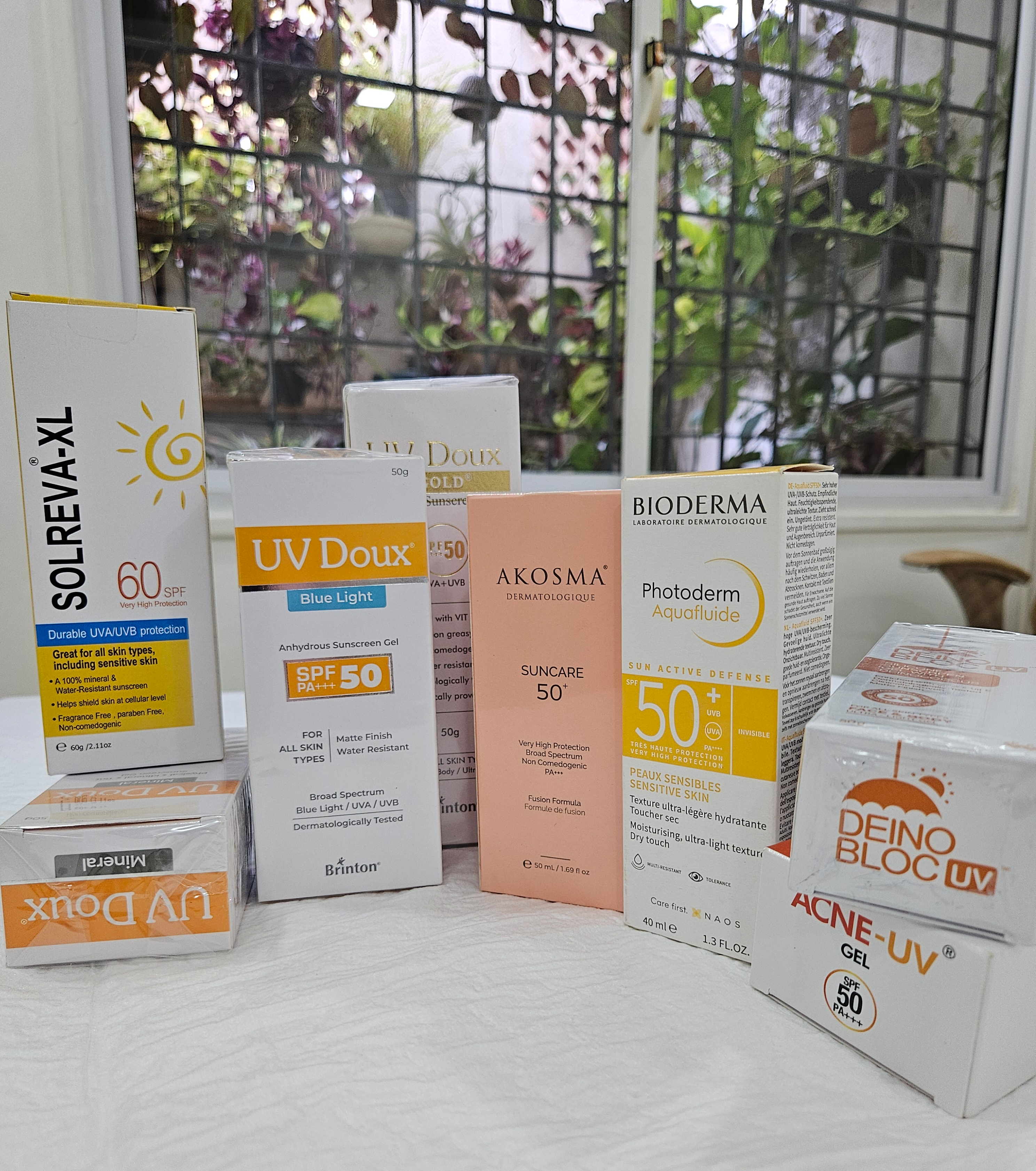
Sunscreen is a topical product that protects the skin from the sun's harmful ultraviolet (UV) radiation. UV radiation damages skin cells and can lead to sunburn, skin aging, and even skin cancer. There are two types of sunscreens: Chemical sunscreens: Also called organic sunscreens, these absorb UV radiation. Physical sunscreens: Also called mineral sunscreens, these reflect and scatter UV radiation. They often contain zinc oxide or titanium dioxide. The effectiveness of sunscreen is measured by its sun protection factor (SPF). The SPF indicates how long it takes for skin protected by sunscreen to redden, compared to unprotected skin. For example, an SPF 30 sunscreen allows you to stay in the sun 30 times longer before your skin starts to redden, compared to if you were not wearing sunscreen. It is important to reapply sunscreen every two hours, or more often if you are swimming or sweating. You should also apply sunscreen to all exposed skin, including your face, neck, ears, and hands. When choosing a sunscreen, look for one that is broad-spectrum, meaning it protects against both UVA and UVB rays. You should also choose a sunscreen with an SPF of 30 or higher. Sunscreen is an important part of protecting your skin from the sun's harmful rays. By using sunscreen regularly, you can help prevent sunburn, skin aging, and skin cancer. #anti-aging #plasticsurgeoninchennai #bestsunscreen #cosmeticclinicinchennaibydrk